Thursday, 26 November 2015

Sun boxes and our Herb Gardens

For our last week of horticulture we made sunboxes and we designed our very own plant pots using just newspaper the aim of these plant pots was to help us start to grow our very own herb gardens.

Sunboxes 

We made sunboxes to help our plants grow indoors during the harsh Irish winters. The sunboxes were so easy to make and our perfect if you live in a small area , but you still want to grow your own herbs and plants. We made our sunboxes out of a cardboard box, tinfoil, and masking tape, so simple right ?
heres how we made them :
  1. first of all we cut two diagonal triangles off the two thin sides of the cardboard box.
  2. then we covered the whole inside of the box in tinfoil, this is to reflect the light and help the plants grow.
  3. we stuck the tinfoil with masking tape and pritt stick, we had to make sure that the masking tape did not show because it would prevent the reflection of light. 


Plant Pots

We made our plant pots so we could grow our very own herbs indoors for the winter, they were so easy to make and they would suit any sort of living space. We made our plant pots out of newspaper, masking tape and a regular plastic bottle.
heres how we made them :
  1. we cut six strips of newspaper , then one by one we wrapped them tightly around the bottle.
  2. after the third, fifth and sixth strip we put on a strip of masking tape to keep them in place.
  3. we then folded up the corners of the newspaper at the end of the bottle, we then carefully slid the bottle out form between the newspaper.
  4. we then filled the newspaper pot with soil and ploped a few seeds in and there you have it, your very own plant pot.

Monday, 23 November 2015

Lets Plant

Let's Plant 

Its that time of year again, time to get working..
This week we fixed up the flower beds that lie underneath our windows. We planted , Continus, Elliptica Variegata, and Sambucus. these plants will survive through our chilly autumn and our frosty winter, so they're ideal for any school garden that requires high maintenance and care. How did we prepare the plants ? we dug a hole in the ground, covered the bottom in compost and muck creating, a breadcrumb like texture, then we pulled the roots of the plant to ensure it gets all the necessary nutrients, we plopped the plant into the hole and covered the top with compost, and they we were all finished , it was time to enjoy the sight of our freshly planted folliage. 

Overall this weeks class was very successful, it was tiring and we worked hard, but it was all worth it in the end. 


The Great Dig

The Great Dig 

For our first task in horticulture we had to take out all the nasty weeds and nettles that had grown in our schools flowerbed. We did this so we could prepare the flower beds for the new bulbs we would be planting. 

We turned over all the old damaged soil , to reveal the fresh, moist new soil that lay beneath.
There where lots of different groups participating in this particular task, during our hard work we found lot of potatoes, some parsnips and a few beetroots.
We couldn't have completed this hard task without the help of our trusty friends, the garden equipment, as you can imagine they were very helpful!

Overall i think our first task within our horticulture module was extremely successful.


Our First Day

Our First Day


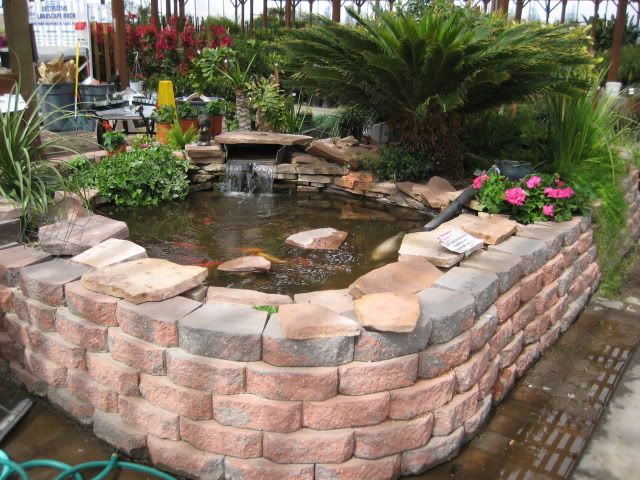
For our first day of horticulture we drew up a birds eye view sketch of our schools courtyard, in this sketch we drew three features we would like to see added to our courtyard, i decided it would be nice to add some beanbags for the students, a raised pond and then a rockery to add a modern style to our school grounds. Of course i never would have been able to think of these decorative features by myself, i got all my inspiration off the show Super Gardens, which we watched on our very first day of horticulture class.


Overall our first horticulture class was extremely successful and as soon as i sat down and drew that sketch, i knew that i had a love for horticulture and garden design!


Monday, 2 November 2015

Indoor Winter Veggies


Where should I grow my vegetables ?

Conservatories and windowsills are good places to grow vegetables. Place heavy containers on the floor or  a firm support. Some veggies, including trailing species are suitable for growing in hanging baskets fitted with whole drip trays. 


What vegetables can I grow indoors during winter ?

( Tomatoes, Peppers, Eggplants )
These easily raised tender crops are the best for a sunny windowsill and can be grown from seeds or plantlets. Fow window boxes or hanging baskets, choose pendant varieties, such as Tumbler tomatoes. Train cordon varieties such as Sweet Million tomatoes up canes or string in a conservatory, where they are guaranteed to produce long lines of tasty, decorative tomatoes for several months.


( Carrots and Radishes ) 
Most root crops need greater depth than you can provide indoors, but radishes, especially round or globe varieties that do not root very deeply are perfect and grow very well in troughs, boxes and pans. Round carrot varieties are also very successful in pots and boxes.


( Potatoes )
Seed tubers used in outdoor planting are easily grown in large pots, buckets or even sacks. As simple as this sounds they produce worthwhile crops of tasty new potatoess.


( Mushrooms )
 Mushrooms are an ideal indoor crop for any time of the year, especially winter. Prepared bags of compost with mushroom produce only need watering before being left in a draft free, dark space. If you make sure the mushrooms are kept between ten and fifteen degrees celsius, you are sure to have produced multiple crops of mushrooms just a few weeks later. 


 Check out this video for some very useful tips on indoor vegetable growing. It will teach you everything you need to know to ensure you are a successful winter gardener


Are you a gardener ?

What gardening should i do during November

To do list ;
covered raspberries
  • Earth up vegetables that will be hit by the winds and storms that occur over winter, vegetables you should take into consideration include, cabbage, cauliflower and particularly brussels sprouts.
  • Tie brussels sprouts and sprouting broccoli to canes and apply a generous amount of mulch. Continue to tidy up your flower beds, remove your crops and continue to apply manures etc.
  • If you grow rhubarb, if you are planning to reproduce your rhubarb, divide it up and cover with a thick layer of manure.
  • If you grow perpetual herbs outside, it is a good idea to move them to a sheltered area.
  • Continue to weed ground that has had its crop removed.
  • Cover raspberries, loganberry, and tayberry plants if they are present in your garden and you haven't covered them already.
Preparation ;

During the month of November gardeners are focused on next years growing. If you are planning to cover your valuable veggies, you better get to work, covering your vegetables will prevent them from getting damaged by the harsh weather conditions that follow in winter. November is also the perfect time to prepare new ground for spring, so grab a spade and get digging. if digging isnt for you, you could also cut back the grass,then cover the cutback area with about five layers of newspaper, and finish off with a layer of compost. Next spring you should be able to dig straight into this new patch and prepare it for planting. Now is the perfect time to start investigating seed catalogues.

Sowing Seeds and Planting out ; 

We can sow broad beans outside now for an early crop next spring. It is very important to use over winter varieties, such as Aquadulce. In order to prevent your broad beans bean seeds rotting before germination, make small newspaper cups and allow them to germinate inside first. Polytunnels and greenhouses have their own climate, continue to grow carrots, red cabbage, rocket , mixed salad leaves, lambs lettuce and perpetual spinach. For best results plant you garlic before Christmas ; plant outdoors in well prepared soil in an area that recieves lots of sun. Keep an eye on all your veggies that are growing outdoors, you dont want them to rot or freeze.


Whats in season ? 
 
Early frost can kill off fragile vegetables but you can continue to harvest perpetual spinach, red cabbage, cauliflower, potatoes, swede, parsnips, apples and pears. Start harvesting leeks, winter cabbage, kale, artichokes, brussels sprouts. It is time to lift your carrots and turnips, or at least cover them with a god layer of straw to keep them warm and cozy.


Soil Breakdown

What is soil ?

The upper layer of earth in which plants grow, a black or dark brown material typically consisting of a mixture of organic remains, clay, and rock particles.

The Breakdown of Soil 


  • Organic matter breakdown is not a single chemical transformation but a complex process. Breakdown of organic matter involves chemical alteration of organic matter, physical fragmentation and finally release of mineral nutrients. Organic matter breakdown is a biological process because it it the soil organisms ( earthworms, ants, beetles ) that bring about the chemical and physical changes. Different organisms are involved in different stages of these processes. 
  • Breakdown starts almost immediately after the organism, or part of it, dies. The organic matter is colonised by microorganisms that use enzymes to oxidise the organic matter to obtain energy. For leaves and roots their surfaces are colonised by microorganisms even before they die. Soil animals such as earthworms assist in the decomposition of organic matter. 
  • During decomposition the organic molecules in organic matter are broken down into simple organic molecules that require further decomposition or into mineralised nutrients. the compounds in organic matter vary in the ease with which microorganisms can break them down. the first organic compounds to be broken down are those that are easy to break down, including amino acids and sugars. Cellulose will break down more slowly and lignin, phenols and waxes will remain in the soil for the longest time.
Take a look at this video on the breakdown of soil